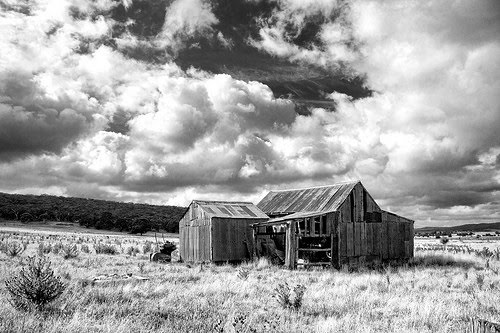
 Photo by Flickr user The Waterboy
Most of us have a view on the question of 'where is home?' We might well answer this question in the plural, maintaining that the house in which we presently live or the town, county or country in which we were born are all a sort of 'home' for us. Geography itself has often been described as the study of the earth as 'the home of humankind'.
Young people are also likely to come to school with a strong view on where and what home is for them. I sense that one of the most valuable contributions that geography can potentially bring to a young person's life is the broadening and diversifying of their idea of what a home can and might be. It has the power to take us beyond a provincial and exclusive identification with home or community that everyday experience might bestow to us, and refocuses our attention on that shared home in which we have to get along - Earth. It may also enable us to see our own literal home (our 'patch') from a new, expanded perspective.
Young people are also likely to come to school with a strong view on where and what home is for them. I sense that one of the most valuable contributions that geography can potentially bring to a young person's life is the broadening and diversifying of their idea of what a home can and might be. It has the power to take us beyond a provincial and exclusive identification with home or community that everyday experience might bestow to us, and refocuses our attention on that shared home in which we have to get along - Earth. It may also enable us to see our own literal home (our 'patch') from a new, expanded perspective.

